Related Articles
- How Alumni Networks Secretly Influence MBA Funding Paths Few Ever Discuss
- How Global Economic Shifts Are Quietly Reshaping MBA Financial Aid Dynamics in Unexpected Ways
- How Nutritional Habits and Gut Health Quietly Influence Cognitive Agility During GMAT Preparation
- How GMAT Preparation Mirrors Ancient Memory Techniques: Rediscovering Lost Study Secrets from History's Scholars
- Top 8 Next-Gen Personal Story Crafting Apps Released Since 2019 That Elevate Your MBA Narrative Game
- How Cultural Backgrounds Shape MBA Essay Narratives: Unseen Influences That Can Make or Break Your Application
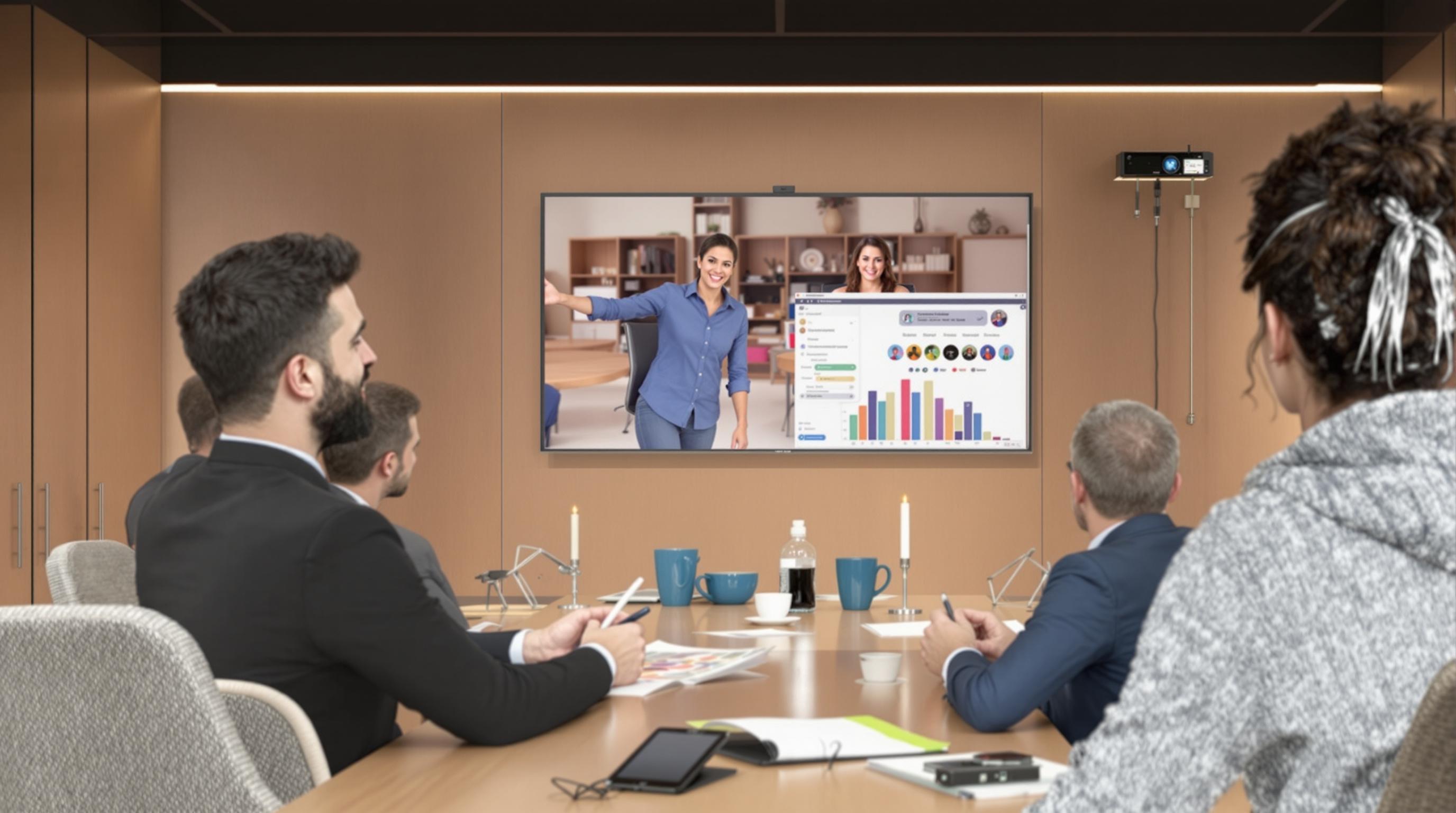
How Leadership Styles Shift When Navigating Virtual Classrooms Compared to Traditional Boardroom Settings
How Leadership Styles Shift When Navigating Virtual Classrooms Compared to Traditional Boardroom Settings
The dynamics of leadership morph dramatically when shifting from traditional boardrooms to virtual classrooms, demanding adaptability in style and approach. This article explores how leaders recalibrate their strategies, embracing new communication tools and emotional intelligence to foster engagement and effectiveness in digital learning spaces.
Imagine you're a CEO accustomed to barking commands across a glossy conference table, only to find yourself now orchestrating a symphony through pixelated faces on a screen. The tools are different, but the goal remains: effective leadership.
From Command and Control to Facilitation and Support
Traditional boardroom leadership often leans towards a hierarchical approach—a clear chain of command where decisions cascade down the ladder. In contrast, virtual classrooms necessitate a shift towards facilitative leadership, emphasizing collaboration and autonomy.
Dr. Samantha Grey, an educational psychologist, highlights that in digital spaces, "leaders become guides rather than commanders, empowering learners to take ownership of their education." Statistics underscore this transition: a 2023 study by the Virtual Learning Alliance found that 68% of virtual educators adopted more participative leadership styles compared to their in-person roles.
Communication – The Lifeline of Virtual Leadership
In a physical boardroom, a leader's tone, gestures, and presence convey authority and empathy. However, virtual environments strip away many non-verbal cues, forcing leaders into hyper-conscious communication modes.
For example, Sarah, a high school teacher turned virtual classroom leader during the pandemic, realized that "pauses and eye contact don’t translate well on Zoom; instead, I had to rely heavily on clear verbal feedback and digital reactions to stay connected."
Case Study: Leadership Transformation at TechLeap Academy
TechLeap Academy, a mid-sized online learning institution, revamped its leadership training after encountering disengagement among students. By implementing weekly virtual coffee chats and digital icebreakers, leaders created rapport and psychological safety. Enrollment rose by 25% within six months, and student satisfaction improved markedly.
The Empathy Quotient in Remote Leadership
Leadership in virtual classrooms demands amplified emotional intelligence compared to boardrooms. The absence of physical proximity means leaders must "read between the pixels" to discern learners' emotional states, adapting their responses accordingly.
Recent surveys show that 74% of virtual instructors believe empathy is the single most critical leadership trait in online education—a sharp contrast to only 48% in traditional corporate settings.
Technology as Both Ally and Adversary
It's no secret that digital tools empower virtual classrooms but also complicate leadership. Leaders must be adept with platforms like Microsoft Teams, Zoom, and collaborative software, often multitasking between content delivery and tech troubleshooting.
Take Mr. Clark, for instance, an executive who transitioned into remote university lecturing. He found that mastering breakout rooms and managing chatbox queries simultaneously stretched his leadership skills beyond anything his previous boardroom experience demanded.
A Blend of Formality and Flexibility
While traditional leadership often thrives on formality—strict agendas, punctuality, dress codes—virtual settings blur these boundaries. Leaders need to embrace flexibility, allowing for asynchronous participation and understanding varied home environments.
This flexibility was highlighted during a survey of 500 virtual educators, where 60% reported adjusting their leadership style to accommodate time zone differences and personal challenges faced by their students.
Humor as a Leadership Tool
Injecting humor in virtual classrooms can bridge gaps caused by digital barriers. Professor Martin’s quirky meme drops during lectures are legendary among his students, fostering engagement and making the learning experience memorable.
Such tactics would be rarer in the solemn atmosphere of a corporate boardroom, reinforcing how leadership styles must bend to suit the context.
Building Trust Without Handshakes
Trust, a cornerstone of leadership, takes new forms when Twilio calls replace handshakes. Virtual leaders must be intentional about transparency and consistency to cultivate it.
Consider the experience of Dr. Lee, a university dean who instituted weekly video updates and open forums. Her approach nurtured a sense of community and accountability, directly correlating to higher participation rates in her online programs.
Storytelling: Meeting People Where They Virtually Are
Once upon a boardroom brainstorming session, ideas bounced like ping-pong balls—now this energy must be recaptured through screens and chatboxes. Storytelling becomes a pivotal leadership skill, helping leaders convey vision and inspire action in remote settings.
Virtual instructors who weave narratives into lessons report a 30% boost in learner retention compared to purely lecture-driven methods, according to a 2022 study published in the Journal of Online Pedagogy.
The Young Voice: A 25-Year-Old's Perspective
Hey there! As a recent college graduate and now a virtual team leader, I've noticed how digital classrooms push leaders to be more relatable and less formal. Being authentic and approachable online encourages my peers to speak up, which is a bit different from the stiff vibe I'd expect in old-school meetings. This generation values connection over hierarchy, and leadership styles must reflect that.
Conclusion: The Ever-Evolving Nature of Leadership
If you think leadership is a one-size-fits-all jacket, think again. Navigating virtual classrooms calls on leaders to juggle empathy, technology, and fluid communication styles more than ever before. These lessons, drawn from classrooms and boardrooms alike, underscore that great leaders evolve alongside their environments.
By embracing flexibility, fostering engagement through innovative tech use, and prioritizing emotional intelligence, leaders can not only survive but thrive in the virtual realm—reinventing leadership for the digital age.
References:
- Virtual Learning Alliance. (2023). Leadership Styles in Online Education.
- Journal of Online Pedagogy. (2022). Impact of Storytelling in Virtual Learning.
- Survey on Virtual Educators’ Challenge and Adaptation, EdTech Insights, 2024.
- Grey, S. (2023). Emotional Intelligence in Digital Leadership. Educational Psychology Review.